person-room · Genealogy
James Stewart
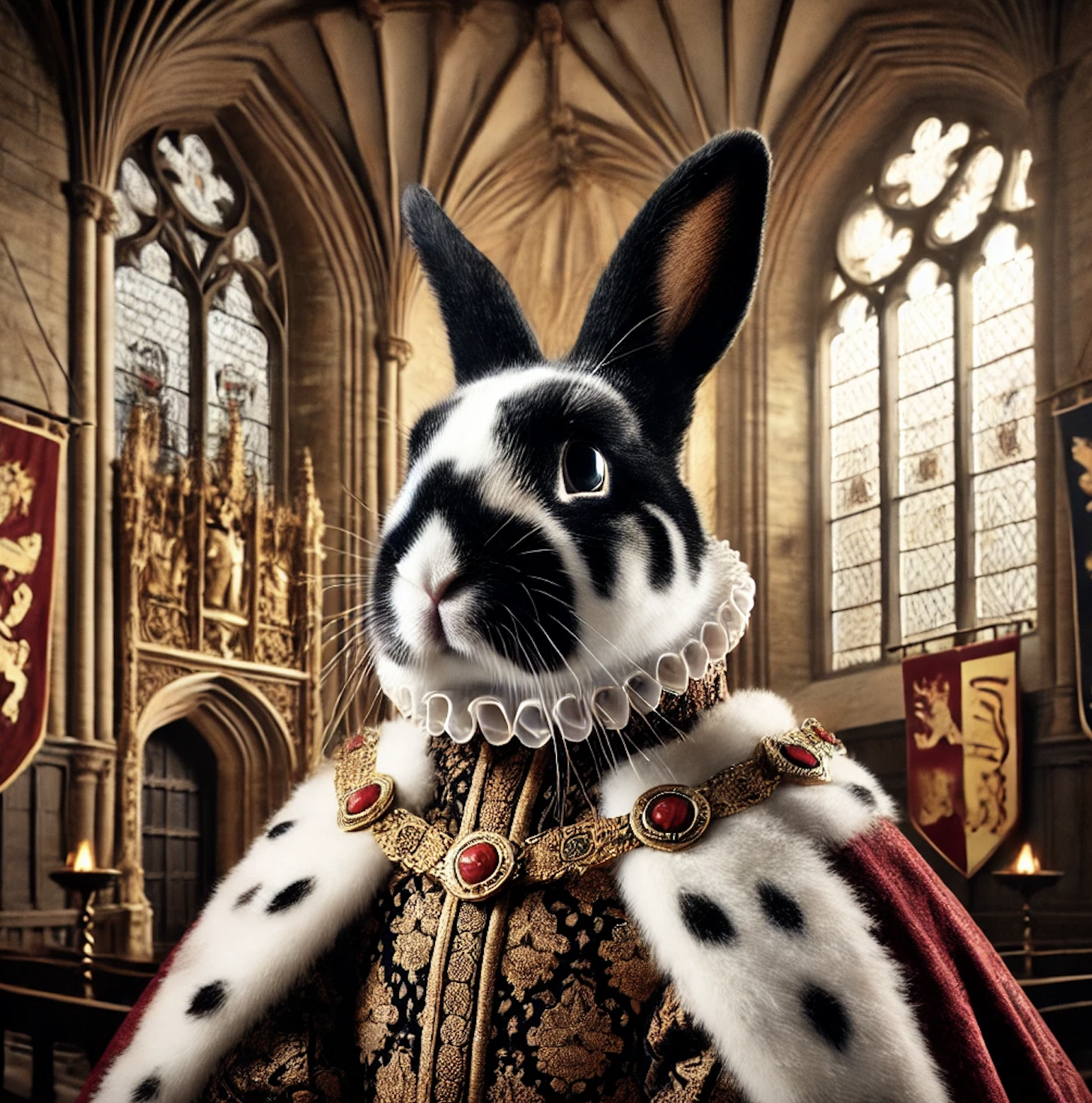
Namesake
James I of Scotland (1394–1437)
James I of Scotland was a notable figure in Scottish history, remembered as a king of intellect, ambition, and reform. Born on July 25, 1394, at Dunfermline Abbey, he was the youngest son of Robert III of Scotland and Annabella Drummond. His reign (1406–1437) marked a turning point for Scotland, though it was fraught with personal hardship and political strife.
Early Life and Captivity
James’s early life was overshadowed by the chaotic politics of his father’s reign. After the suspicious death of his elder brother David, Duke of Rothesay, James became the heir to the throne. To protect him from political enemies, Robert III sent him to France in 1406. However, during the voyage, James was captured by English forces and imprisoned by King Henry IV. He would spend 18 years in English captivity.
While a prisoner, James received a thorough education, becoming well-versed in governance, poetry, and the chivalric ideals of the time. He was a talented poet, and his most famous work, The Kingis Quair (The King’s Book), reflects his intellect and literary skill. His captivity also shaped his strong sense of justice and his resolve to strengthen royal authority upon his return to Scotland.
Return to Scotland and Reign
James was released in 1424 after a hefty ransom was paid. Shortly after, he married Joan Beaufort, a noblewoman of English descent. Their marriage was both a love match and a political alliance, symbolizing reconciliation between Scotland and England.
As king, James focused on consolidating royal power and addressing the endemic lawlessness of Scotland’s nobility. He implemented significant reforms in the judicial and financial systems, sought to curtail the excessive power of the clans, and imposed stricter governance. These reforms earned him the reputation of a capable, if sometimes ruthless, ruler.
Challenges and Assassination
James’s assertive policies and attempts to centralize power alienated many of Scotland’s powerful nobles. He sought to curb their autonomy, which bred resentment. His efforts to reclaim royal lands and revenue that had been usurped by the nobility further heightened tensions.
In February 1437, a conspiracy led by Sir Robert Graham resulted in James’s assassination at the Blackfriars Monastery in Perth. The king was ambushed in a brutal attack while attempting to escape through a sewer, which had been blocked beforehand by the conspirators. Joan Beaufort narrowly escaped and later avenged her husband’s death, ensuring the conspirators were captured and executed.
Evidence
Inspect the historical record 1 claim on fileConnections
Analytical tools
View inheritance corridors Bird's eye view — founding corridors and continuity packets converging at this personChange projection
View through: Genealogy