person-room · Genealogy
Fernando di Fernández
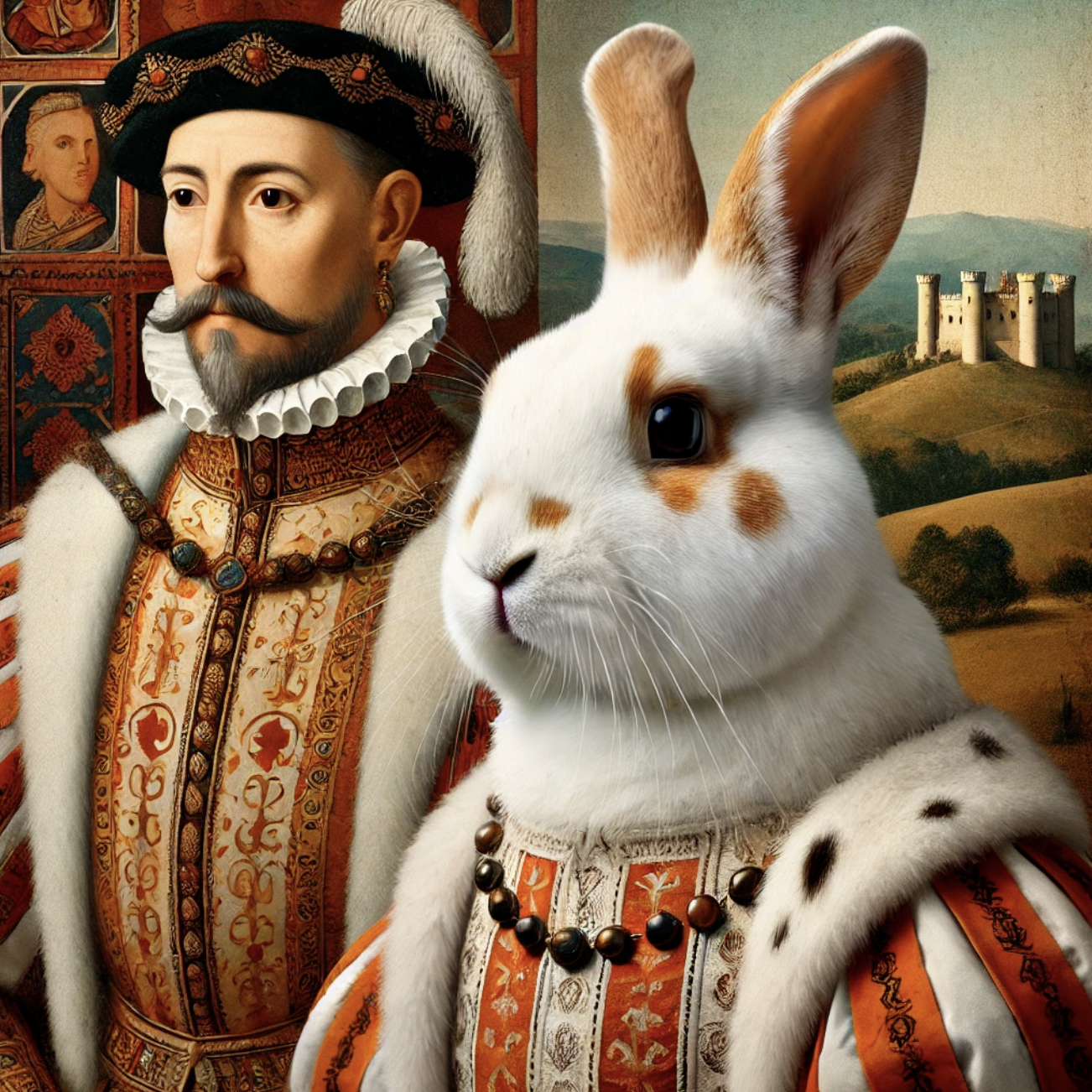
Namesake
Fernando, considered the progenitor of the House of Fernández, represents a foundational figure in the lineage of a noble family that played a significant role in medieval Iberian history. The House of Fernández is one of the many noble families that emerged in the early Middle Ages, and it became particularly prominent in the Kingdoms of León, Castile, and Portugal.
Background and Historical Context:
The House of Fernández (or Fernández in its Spanish form, Fernão in Portuguese) traces its roots back to the early medieval period, around the 9th and 10th centuries. During this time, the Iberian Peninsula was divided into several Christian and Muslim kingdoms. The Christian kingdoms of León, Castile, and Portugal were engaged in the Reconquista, a series of military campaigns aimed at reclaiming territory from Muslim rule. Noble families like the Fernándezs played crucial roles in these campaigns, providing military support and governance for the newly reconquered lands.
Fernando, the Progenitor:
The first notable member of the House of Fernández, often referred to as Fernando, likely lived during the 9th or early 10th century. While specific historical records about Fernando are scarce, he is often regarded as the ancestor from whom the Fernández family name derives. In medieval Spain, it was common for noble families to take their surnames from the given name of an influential ancestor. Thus, “Fernández” means “son of Fernando.”
Role and Influence:
Fernando, as the progenitor, would have been a nobleman of considerable influence, possibly a warrior or leader who distinguished himself in service to one of the Christian kingdoms of the Iberian Peninsula. His descendants likely inherited his lands, titles, and responsibilities, which would have been essential for establishing the Fernández family’s prominence.
Throughout the Middle Ages, members of the Fernández family served as military commanders, royal advisors, and landowners. They were involved in various aspects of the Reconquista, including battles, governance of territories, and participation in the political affairs of the Christian kingdoms. Their loyalty and service to the crown helped them gain further influence and titles over the centuries.
Legacy and Lineage:
The descendants of Fernando carried the Fernández name into the high Middle Ages, where they continued to play pivotal roles in the evolving political and military landscape of Iberia. Over time, the Fernández lineage branched out, leading to the establishment of various noble houses and families across Spain and Portugal, each of which contributed to the history and culture of the region.
The House of Fernández is thus associated with a long-standing tradition of nobility, military service, and loyalty to the Christian kingdoms of Iberia. The family’s influence extended beyond the Iberian Peninsula, with some members migrating to the New World during the Age of Exploration, further spreading the Fernández name.
Cultural Significance:
As a progenitor figure, Fernando symbolizes the roots of a noble lineage that became integral to the history of medieval Spain and Portugal. The Fernández family’s story is interwoven with the broader narrative of the Reconquista, the struggle between Christian and Muslim powers in Iberia, and the rise of new political entities that would eventually lead to the formation of modern Spain and Portugal.
While specific details about Fernando’s life are not well-documented, his legacy lives on through the enduring prominence of the Fernández name, which remains widespread in the Spanish-speaking world today.
Evidence
Inspect the historical record 1 claim on fileConnections
- Clementia Spouse or partner
- Robert Herbert Child
- Charlotte Spouse or partner
- Philippe Child
- Reginald de Dunstanville Child
- Nonnance de Hesbaye Spouse or partner
- Berenguela of Castile Child
- Berenguela of Castile Spouse or partner
- Goswintha de Wisigothie Child
- Fulvia Numisia Aemiliana Spouse or partner
- Thomas Child
- Begga d’Andenne Child
- Mechtild of Ireland Child
- Artemisia Child
- Susanna ferch Gruffydd Broken Black Child
- Beatrice Spouse or partner
- Petronella de Bigore Child
- Amauberge Dangereuse de Montfort Child
Analytical tools
View inheritance corridors Bird's eye view — founding corridors and continuity packets converging at this personChange projection
View through: Genealogy